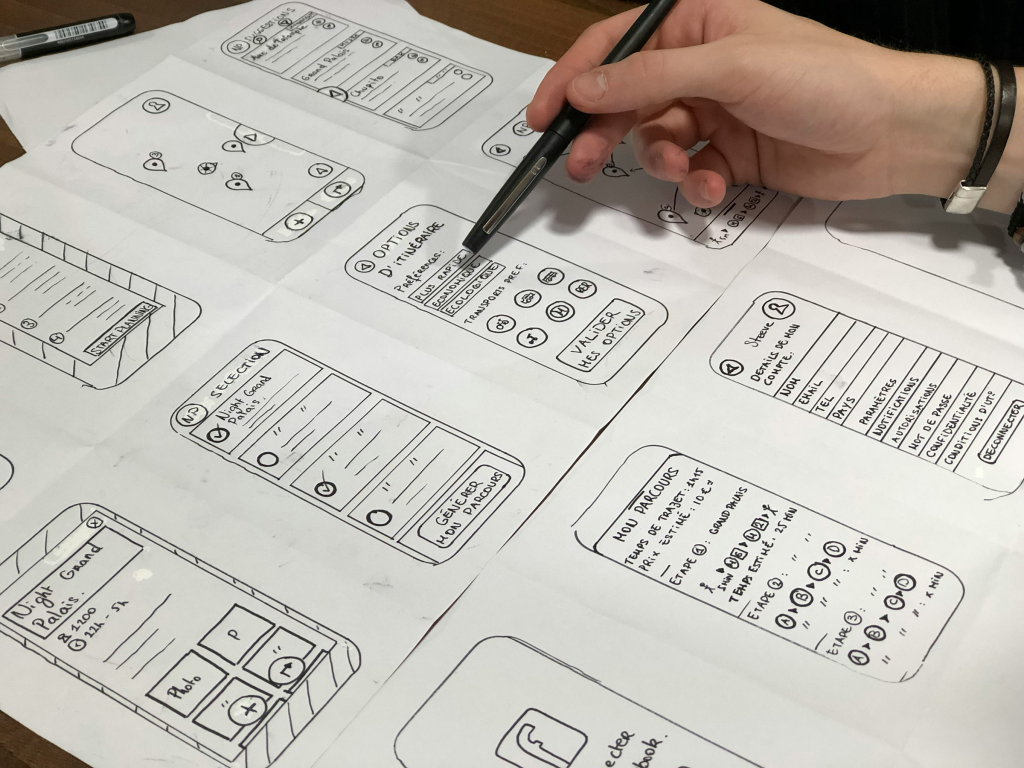


Wireframing is a crucial step in the design process that serves as the blueprint for digital products such as websites and mobile applications. It provides a structural framework that helps designers, developers, and stakeholders visualize the layout and functionality of a product before investing time in high-fidelity designs or coding.
What is a Wireframe?
A wireframe is a simple, low-fidelity visual representation of a digital interface. It outlines the key elements of a page, such as navigation, content placement, and user interactions, without focusing on colors, typography, or final design details. Wireframes are typically created in grayscale and can be hand-drawn or designed using digital tools like Figma, Adobe XD, or Sketch.
Benefits of Wireframing
1. Establishes a Clear Structure
Wireframing helps organize the content and layout logically, ensuring a seamless user experience before incorporating visual elements.
2. Enhances User Experience (UX) Planning
By mapping out user interactions early, wireframes allow designers to anticipate potential usability issues and refine navigation flow.
3. Saves Time and Resources
Building a wireframe helps identify structural issues before moving into high-fidelity design and development, reducing costly revisions later.
4. Facilitates Collaboration
Wireframes serve as a communication tool between designers, developers, and stakeholders, ensuring everyone is aligned on the product vision before moving forward.
5. Focuses on Functionality Over Aesthetics
Since wireframes do not include design details like colors and images, they help teams focus on usability, information hierarchy, and navigation flow.
How to Create an Effective Wireframe
- Define the Goals and User Needs – Understand the primary objectives of the product and the needs of its users.
- Sketch the Basic Layout – Start with rough sketches to establish the fundamental structure of the interface.
- Use Wireframing Tools – Digital tools like Figma, Adobe XD, and Sketch can help create more refined wireframes.
- Incorporate User Flows – Ensure that the navigation and interactions align with the user journey.
- Gather Feedback and Iterate – Share the wireframe with team members and stakeholders for feedback before refining the design.
Conclusion
Wireframing is an essential step in the design process that ensures a strong foundation for digital products. By focusing on structure and functionality first, teams can create more efficient, user-friendly designs while minimizing costly mistakes later in the development cycle.