

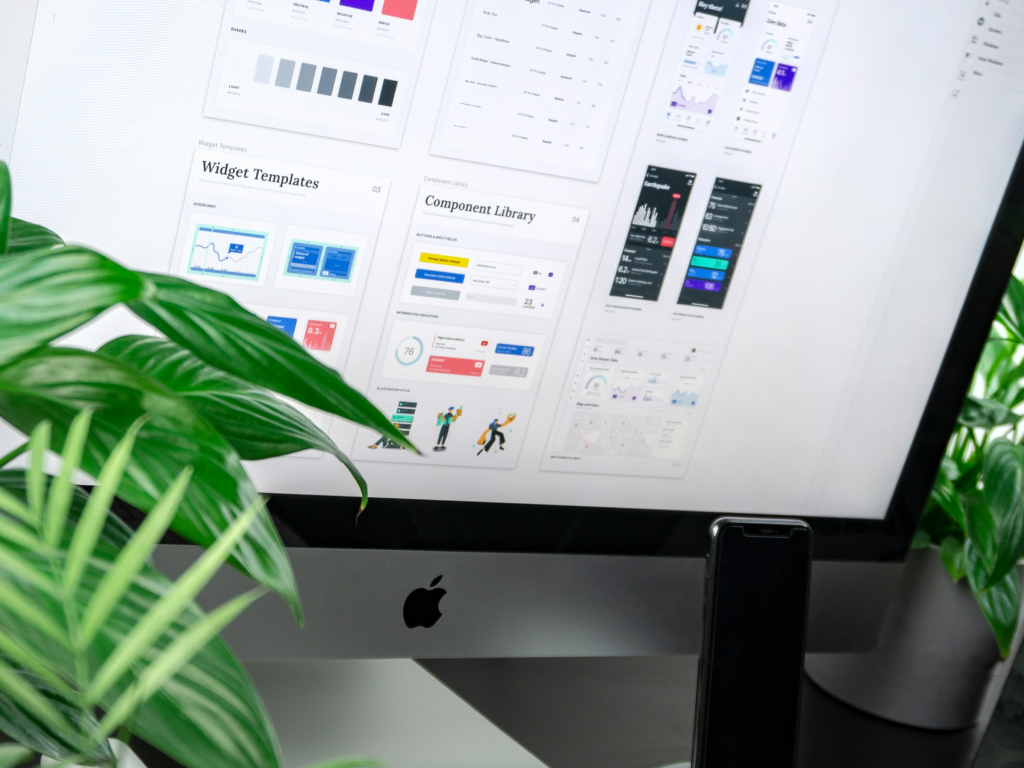
In the world of design, inspiration and clarity are key to creating a successful project. One of the most effective tools to achieve this is a moodboard. Whether you’re working on branding, UI/UX design, interior design, or fashion, a moodboard helps streamline the creative process and set a clear direction for the project.
What is a Moodboard?
A moodboard is a visual collage that combines images, colors, textures, typography, and other design elements to represent the overall style and feeling of a project. It serves as a reference point for designers, clients, and stakeholders, ensuring that everyone is aligned on the vision before execution begins.
Benefits of Using a Moodboard
1. Clarifies the Design Concept
A moodboard helps define the aesthetic and emotional tone of a project, making it easier to translate abstract ideas into tangible visuals.
2. Enhances Creativity and Inspiration
By gathering and arranging different visual elements, designers can explore various styles and find unique creative directions.
3. Facilitates Communication with Clients and Teams
Moodboards act as a visual guide, reducing misunderstandings and ensuring that designers and clients share the same expectations.
4. Speeds Up the Design Process
Having a predefined visual reference helps designers make faster and more informed decisions, minimizing revisions and inconsistencies.
5. Provides a Consistent Visual Direction
A moodboard ensures that all design elements remain cohesive, whether it’s for a brand identity, website interface, or marketing campaign.
How to Create an Effective Moodboard
- Define Your Project Goals – Determine what you want to achieve and the emotions you want to evoke.
- Gather Visual Inspiration – Collect images, color palettes, textures, and typography that align with your vision.
- Organize and Arrange Elements – Place your chosen visuals in a way that conveys a clear and structured design theme.
- Refine and Finalize – Review and adjust the moodboard to ensure it effectively represents your desired look and feel.
- Share and Use as a Guide – Present your moodboard to clients or teams and refer to it throughout the design process.
Conclusion
A moodboard is an essential tool for any creative project, offering clarity, inspiration, and direction. By integrating a moodboard into your design workflow, you can ensure a more streamlined process and a visually compelling final product.